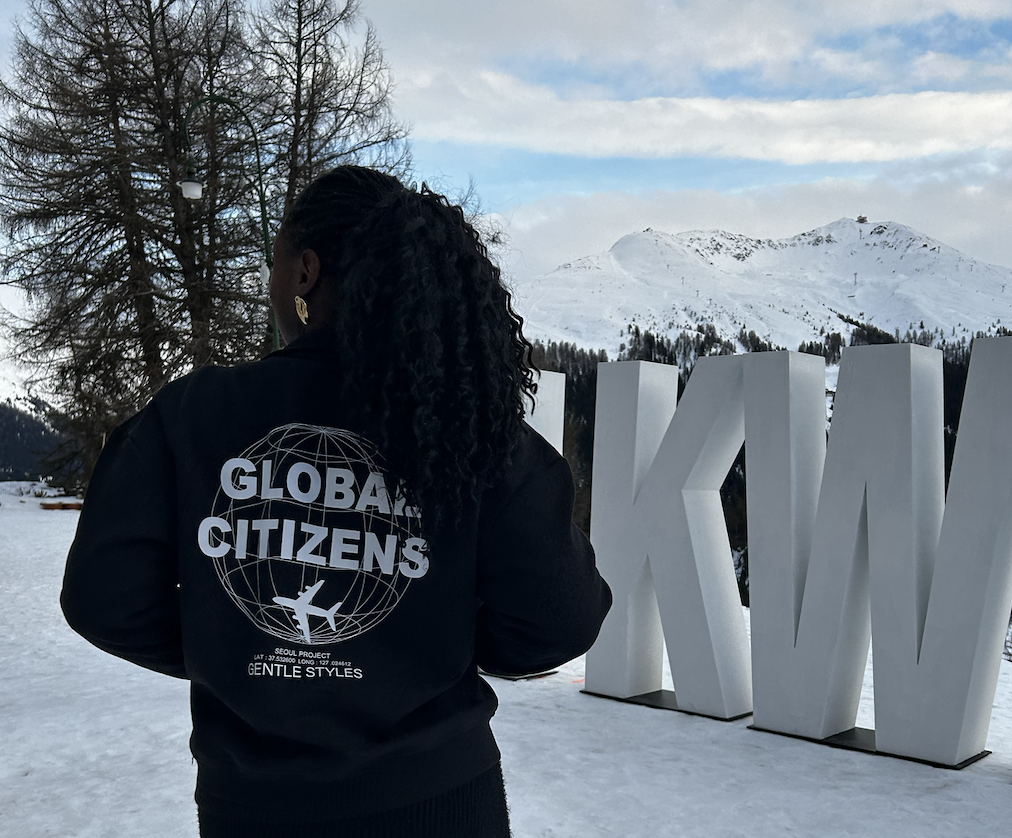
I’ve spent years navigating global forums and high-stakes conversations across continents, but there’s something uniquely electric about Davos. If you’re heading to the World Economic Forum for the first time, here’s what I wish someone had told me, beyond the obvious networking advice.
Getting There: Logistics That Actually Matter
Let’s start with the practical stuff that can make or break your experience.
Transportation: Yes, helicopters exist, but unless someone else is footing that bill, consider the train from Zurich. It’s genuinely the most efficient option; it’s reliable, scenic, and gives you time to decompress before you’re thrown into the whirlwind. If you’re driving, factor in that Davos becomes a small town handling an enormous influx of people. Traffic isn’t just inconvenient; it can mean missing the conversations you traveled there to have.
The Food Situation: Here’s something they don’t put in the official guides: food is surprisingly limited given the scale of the event. If you’re staying in an apartment or house rather than a hotel, stock up in Zurich before you head up the mountain. Think of it as meal insurance. You don’t want to be scrambling for sustenance when you could be making meaningful connections or simply resting between sessions. Yes, there are grocery stores, but I mean a takeaway for a couple of days.
Signal Your Presence Early
One of the most strategic things you can do before you even arrive is let people know you’re going to be there. Post it on LinkedIn. Mention it in your newsletter. Share it in relevant professional circles. This isn’t about ego; it’s about creating opportunities for the right connections to happen.
When people know you’ll be in Davos, they can reach out proactively. Someone working on accessible healthcare might see your post and request a meeting. A climate tech founder might want your perspective on market entry in emerging economies. If you’re serious about driving real impact, you need to signal where you’ll be so the people who need your voice, your expertise, or your perspective can find you.
This is especially critical if your work sits at intersections that don’t always get prioritized in mainstream programming - women’s leadership, Global South perspectives, equity in AI development. Make it easy for people to connect with you.
The underground communication networks
Here’s something nobody tells you in the official prep materials: Davos runs on WhatsApp groups, and other private channels…. Lots of them. There are groups for energy leaders, for women navigating the forum, for sustainability advocates, for early-stage founders, for just about every affinity and interest you can imagine.
I can’t share the specific groups I’m part of; they’re invitation-only for a reason, but here’s what I can tell you: when you arrive, ask around. Seriously. Ask someone whose work aligns with yours if there are relevant groups you should join. These channels are where the real coordination happens. They’ll tell you about last-minute dinners, pop-up sessions that aren’t on the official schedule, or which panels are worth your time versus which ones are performative theater.
Understanding your priorities matters here, too. Do you care about energy transition? Women’s rights? Investing in Africa? AI governance? Know what drives you, because that will help you find your people and the right communication channels. These groups can be the difference between feeling lost in the chaos and having a navigation system that helps you make the most of every day.
Understanding the badge hierarchy
The WEF badge system can feel like its own social stratification, and I’m not going to pretend it doesn’t matter. Different colored badges grant different levels of access: white badges for participants, orange badges for media, and so on. Understanding this isn’t about status anxiety; it’s about managing your expectations and strategizing which sessions and spaces you can access. Security clearance is thorough, so arrive early for everything and have your credentials ready.
What to pack: beyond the obvious
Davos in January is cold in a way that goes beyond what many people anticipate. We’re talking mountain cold, the kind that seeps into your bones if you’re underdressed. Layer intelligently. Think thermal underlayers, a serious coat that can handle wind and snow, waterproof boots with actual traction, and accessories that aren’t just decorative, scarves, gloves, hats that work. You want to be warm enough that the cold doesn’t become a distraction from why you’re there. (You may slip and fall, but that almost feels normal for most.) Lastly, pack hand warmers.
Why you’re really there
What matters more than any of the logistics: understanding your purpose. Davos isn’t just about being in the room where it happens. It’s about what you do once you’re there.
For me, these forums matter because they’re spaces where we can shift narratives that affect billions of lives. I show up thinking about equality, not as an abstract concept, but as a tangible goal we can achieve through policy and partnership. I’m asking tough questions about climate change to people who have the resources and influence to make a meaningful impact.
I’m also deeply focused on responsible AI development. We’re at an inflection point where the decisions being made now, including by companies like Anthropic and OpenAI, will shape how technology either amplifies or addresses existing inequalities. Being in conversation with the people building these systems isn’t optional if we care about ensuring AI serves humanity rather than concentrates power.
Making it matter
Davos can feel overwhelming, sometimes even performative. There’s a lot of noise. But there’s also a real opportunity to build relationships that lead to tangible change. My advice: know what tugs at your heart before you arrive. What issue would you drop everything for? What conversation would you fly across the world to have?
For me, it’s accessibility to healthcare that doesn’t bankrupt families. It’s climate solutions that don’t sacrifice the Global South for the comfort of wealthy nations. It’s ensuring that as we build new technologies, we’re centering equity from the start, not retrofitting it later.
Go into every session, every dinner, every coffee break, asking yourself: does this align with what I actually care about? If not, it’s okay to step away. Your time and energy are finite resources. Spend them on conversations that matter.
Final thoughts
Davos is intense, intellectually stimulating, sometimes frustrating, and potentially transformative. You’ll meet people doing extraordinary work. You’ll also encounter plenty of talk that doesn’t translate to action. Your job is to discern the difference and invest your energy accordingly.
Stay warm, eat well, signal your presence early, find your communication channels, and remember why you’re there. The world needs people who show up to these spaces with both practical savvy and genuine commitment to making things better.
See you on the mountain.
-————–
Tope Ajala is a global culture strategist, founder, and former Global Chief Inclusion & Impact Officer at Ogilvy/WPP. She helps organizations and leaders navigate authentic market entry and cultural strategy.